
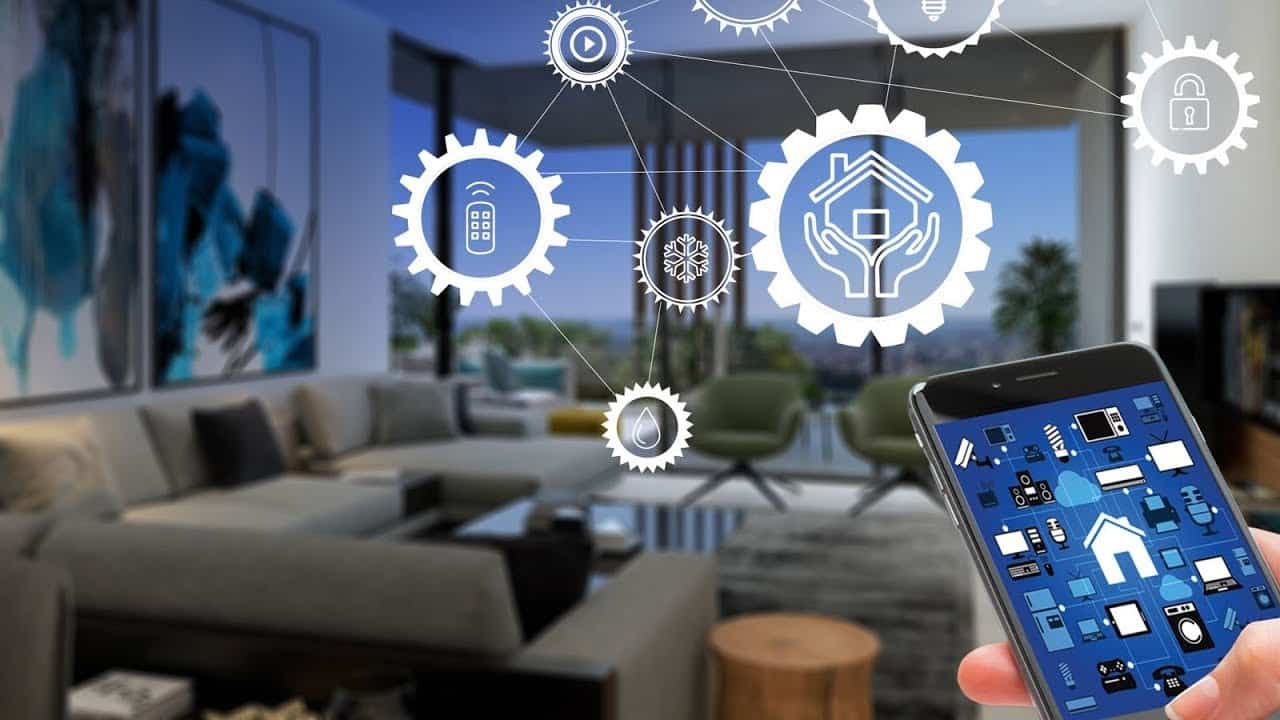
Picture this: your home knows what you need before you even ask – lights turn on at sunset, the thermostat adjusts when you leave for work, doors lock automatically at night, and you get instant alerts if anything unusual happens.
This isn’t a luxury home feature or a sci-fi idea… It’s smart home automation. By taking care of the little things automatically, this digital controlling system frees up time and lets you focus on what matters.
Keep reading to discover how smart home automation in Fort Worth, TX, works and how it can make your everyday life safer, simpler, and more convenient.
The Basics of Smart Home Automation
At its core smart home automation is the process of making your home’s devices and systems work together intelligently. Instead of each device operating on its own a smart home creates a connected ecosystem – where everything communicates and responds to your preferences with minimal effort from you.
Basically in a traditional home you manually turn on lights, adjust thermostats, lock doors and check security cameras one by one – But in a smart home, those actions can happen automatically – based on rules you set.
Smart home automation allows you to:
- Control devices remotely through smartphone apps.
- Create routines that trigger multiple actions at the same time.
- Program devices to respond to conditions like time of day, presence or weather.
- Monitor energy usage and security status in real time.
- Use voice commands for hands free control.
How Does Smart Home Automation Work?
Behind the scenes, the process of home automation is quite simple. Smart home alarm and security systems in Fort Worth, TX rely on three main components working together:
- The Hub – This is the core of the system. It sends commands and manages automation rules.
- The Network – This is how commands travel, using technologies like Wi-Fi, Bluetooth, Zigbee, Z-Wave or Thread.
- The Devices – These are your smart lights, locks, thermostats, sensors, cameras and more.
Here’s a simple example
Let’s say you want your living room lights to turn on automatically at 5:30 PM every winter evening. With smart home automation in Fort Worth, TX, from Sanctuary Security you can set this routine once and it will run in the background.
At the scheduled time, your system sends the command through your home network and your lights turn on automatically – without any switches, reminders or effort.
The Internet of Things and Home Automation
Smart home automation is part of a much bigger concept called the Internet of Things.
IoTt is a network of physical objects like security devices, appliances, vehicles and even buildings – equipped with sensors and connectivity. This allows them to collect information, share data and interact with each other.
Smart homes are one piece of this network – where connected devices create a more convenient and efficient living space. However not every IoT device is part of your smart home. For instance a fitness tracker monitors your activity but it doesn’t connect to your lights, thermostat or security system.
What makes IoT truly powerful in a smart home is seamless communication between devices. When your devices can “talk” to each other, you can setup pre-programmed sequences of actions that adapt naturally to your lifestyle such as:
- Window shades close automatically when the sun gets too bright.
- Motion sensors triggering lights only in rooms you’re using.
- Sprinkler system adjusting watering based on the weather forecast.
Communication Protocols That Make It All Work
For instant and reliable smart home automation in Fort Worth, TX, devices need to communicate efficiently. Most modern smart homes in the US use a hybrid setup, combining several communication protocols
Here’s a quick breakdown:
Protocol | What It Does Best |
Wi-Fi | Easy setup and wide compatibility but can strain your network if too many devices are connected |
Bluetooth | Low-power, local communication without needing Wi-Fi |
Z-Wave | Reliable, low interference wireless tech operating on a dedicated frequency |
Zigbee | Mesh-based, energy efficient and ideal for large device networks |
Advantages of Home Automation
- Security
Enhancing safety is undoubtedly one of the most significant benefits of smart home automation. Devices like smart locks, door and window sensors, motion detectors and cameras work together to protect your home and alert you instantly if something unusual happens. What’s more? Many home alarm and security systems in Fort Worth, TX, also let you monitor your property remotely so whether you’re at work, on vacation or just running errands – you can have peace of mind knowing your home is secure.
FYI, homes with security systems are about 2.5 to 3 times less likely to be robbed – and even just having visible security devices can discourage up to 30% of attempted break-ins.
Curious to know more about the importance of security systems? Read this: Why Do We Need a Security System?
2. Remote Access
Another major advantage is the ability to manage your home remotely, no matter where you are:
Forgot to lock the door? No problem! – You can lock it from your phone while sitting at work.
Want to let the dog sitter in while you’re on vacation? You can unlock the door for them and then lock it again – all while enjoying the beautiful views.
Need to turn off the lights you left on in the living room? You can do that too instantly from your phone.
Remote access gives you peace of mind – letting you control your home without being physically present or relying on keys and manual switches.
3. Energy Savings
Smart home automation in Fort Worth, TX, also helps save energy and reduce utility bills. For example – thermostats can automatically adjust the temperature when no one is home, lights turn off in empty rooms and appliances can run during off peak hours to use electricity more efficiently.
On top of that some insurance companies recognize smart homes as safer and more efficient – offering discounts for homes with smart security or energy saving features.
4. Convenience
Smart homes make everyday life easier by handling tasks automatically. With a voice assistant or smartphone app you can control multiple devices at once – such as open or close the garage door, adjust fans and run the dishwasher with just a tap or a voice command.
Even simple routines like lights turning off and doors locking on their own when you leave and eliminate doing small chores you’d normally have to remember to do yourself.
5. Health and Comfort
Beyond convenience and security, smart home automation can significantly improve your well-being by creating a more comfortable and healthier living environment.
For example air quality sensors can detect pollutants and high humidity – automatically activating purifiers or dehumidifiers to improve indoor air quality – which is linked to better sleep and respiratory health.
FYI, according to a recent study, improving air quality in the home environment can enhance sleep quality and reduce nighttime respiratory issues.
Make Your Home Smarter and Safer
Life has become busier than ever – even simple home tasks can feel overwhelming. Smart home automation in Fort Worth, TX, comes to your rescue by managing security, controlling lights and temperature and optimizing energy use – giving you one less thing to worry about each day.
At Sanctuary Security, we make it easy to bring this level of convenience and protection into your home – with professionally installed systems that work seamlessly to keep your home safe, efficient, and hassle-free.
It’s time to make your home safer and smarter. Connect with us today.
FAQs
- Do smart homes still work during internet outages?
Yes! Most devices and local hubs can run basic automations offline, like lights turning on/off or doors locking. However remote control through apps or cloud-based features will be limited until your connection is restored.
2) Can I automate an older home?
Absolutely. Most smart devices like locks, sensors, lights and security cameras are designed to retrofit existing homes so you don’t need to rebuild or rewire.
3) Are smart homes hard to maintain?
Not at all. Once everything is set up, most devices update themselves automatically. You’ll just need to check the app now and then, update firmware and occasionally change batteries.
4) What are the 4 types of automation?
- Fixed automation – Designed for one specific task. It’s very efficient but not flexible.
- Programmable automation – Lets you change the tasks it performs – like adjusting routines or schedules.
- Flexible automation – Can handle multiple tasks without needing to stop or reprogram everything.
- Integrated automation – Combines multiple systems so they work together seamlessly.
5. Is smart home automation secure?
Absolutely. When you use strong passwords, keep devices updated, and have your system professionally installed, smart homes are incredibly secure – allowing you to enjoy all the benefits of automation without worrying about safety.

