
If you think locking your doors and setting a basic deadbolt keeps you safe, think again. In Dallas alone, more than 3,200 burglaries have targeted business properties, alongside over 450 reported business robberies – making small businesses the easiest after-hours targets.
The problem is, most crimes don’t involve smashed doors and chaotic break-ins. They happen quietly, through side doors, dark corners, and moments when no one is watching. This is why selecting the right security system is critical for your business’ safety.
CCTV cameras and security alarm systems for small business in Dallas are the most popular options, each one serving a distinct purpose. One alerts you about the situation right away, the other gives you visual proof of it happening.
Many business owners aren’t sure which option is better – or whether using both together is the smarter move. If you’re wondering the same thing, keep reading to find the answer.
The Basics of Security Alarms for Small Businesses
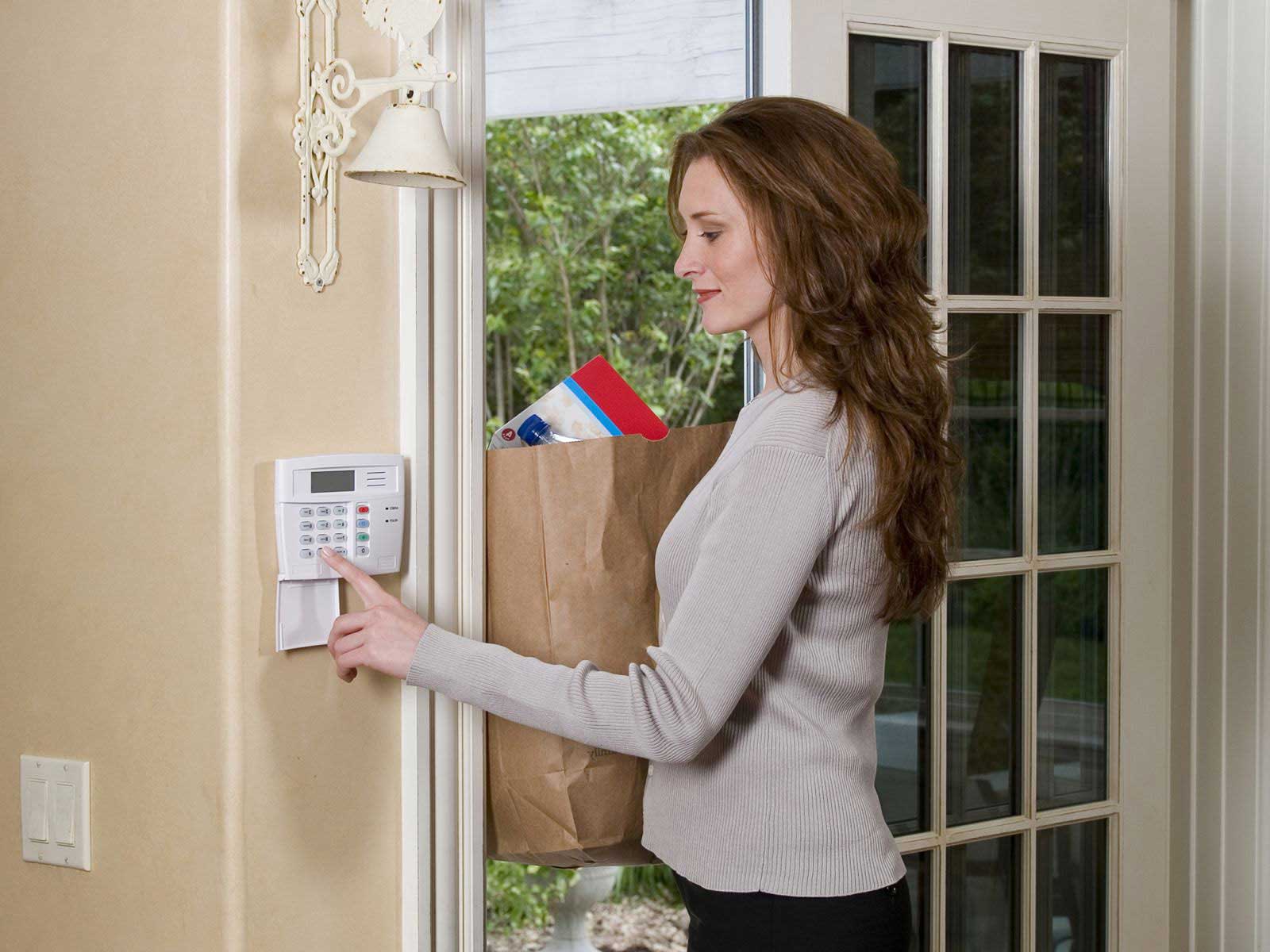
Security alarms are designed to protect your business by detecting unauthorized access and unusual activity the moment it occurs. They act as your first line of defense, triggering alerts and deterrents as soon as someone attempts to enter your property without permission.
Key Features:
- Intrusion Detection: Sensors on doors, windows, and inside the premises detect unauthorized entry. When triggered, they immediately alert you or a monitoring service, stopping intruders before they can cause serious damage.
- Audible Sirens: A loud alarm not only warns you but also scares off intruders and draws attention from neighbors or passersby, making it harder for criminals to operate undetected.
- Remote Alerts: Modern systems send instant notifications to your smartphone or email. This allows you to respond immediately, even if you’re not on-site, and contact law enforcement quickly.
- 24/7 Monitoring Options: Some alarms are connected to professional monitoring centers that operate around the clock, so if an alert is triggered, trained personnel can immediately notify you or contact emergency services, providing an extra layer of protection.
- Integration with Other Systems: Security alarm systems for small business in Dallas can work in coordination with cameras, access controls, and smart lighting, creating a multi-layered defense system.
| Pros | Cons |
| 1. Immediate alerts for break-ins | 1. No visual record of incidents |
| 2. Strong deterrent due to sirens | 2. False alarms can cause disruptions during work |
| 3. Optional professional monitoring | 3. Limited insight into daily operations |
| 4. Affordable upfront cost | 4. Doesn’t help identify intruders after the incident |
| 5. Easy to install and manage | 5. Less effective during business hours |
The Basics of CCTV for Small Businesses
CCTV systems use cameras to continuously monitor your business premises. The footage is stored securely, providing a clear record of events that can help prevent theft, resolve any disputes, support investigations, and give you peace of mind knowing your business is always under watch.
Key Features
- Video Surveillance: Cameras continuously record activity inside and outside your business, providing a permanent record of events. This is especially useful for reviewing incidents or verifying suspicious behavior.
- Remote Viewing: CCTV can connect to your phone, tablet, or computer, allowing you to monitor your business in real time from anywhere.
- Motion Detection Recording: Cameras with motion detection capture footage only when activity occurs. This saves storage space and makes it easier to review events without sifting through hours of empty footage.
- Night Vision: unlike Security alarm systems for small business in Dallas, cameras use infrared and low-light sensors to record clear footage in the darkest conditions, which ensures your business is protected and under watch 24/7.
- Evidence Storage: Depending on your setup, recorded footage in CCTV cameras can last for days, weeks, and even months – offering an invaluable resource to investigate incidents, support insurance claims, and resolve any disputes with customers or employees.
| Pros | Cons |
| 1. Provides visual evidence for incidents | 1. Higher installation and maintenance costs |
| 2. Helps identify suspects | 2. Requires storage and data management |
| 3. Deters theft visually | 3. No immediate alert unless monitored |
| 4. Monitors employees and customers | 4. Privacy concerns if misused |
| 5. Supports investigations and insurance claims | 5. Needs regular technical maintenance |
Which Option Works Best for Different Situations?
| Business Situation | Alarm | CCTV |
| 1. After-hours break-ins | ✔️ | ❌ |
| 2. Monitoring employee activity | ❌ | ✔️ |
| 3. Deterring theft visually | ❌ | ✔️ |
| 4. Immediate emergency alerts | ✔️ | ❌ |
| 5. Evidence for disputes or claims | ❌ | ✔️ |
| 6. Limited security budget | ✔️ | ❌ |
Why You Should Go for Both
Alarms and CCTV each protect your business in different ways – but on their own, they have certain gaps that criminals can exploit.
For example:
An alarm goes off when someone breaks in, but you won’t know what triggered it or whether it’s a false alert, which can delay your response. Meanwhile, CCTV can show you exactly what’s happening, but without an immediate alert, the intruder has precious minutes to escape or cause damage.
When you combine the two, you get instant notifications plus visual verification of the incident. The alarm triggers on the spot, and the cameras start recording at the same moment, giving you real-time insight and the ability to act immediately. This coordination also provides critical evidence for insurers and law enforcement, making monitoring simpler, closing blind spots and strengthening overall security.
In a Nutshell
Your business isn’t truly safe until you can detect and identify the threat at the same time. Security alarm systems for small business in Dallas alert you the second something goes south, while CCTV records every critical detail. On their own, they can fall short- but together, they give you full control, clear insight, and the upper hand in any situation.
If you’re looking for a security solution that covers all these bases, Sanctuary Security has you covered. From alarms to cameras and access control, we provide complete protection to safeguard your business against every threat.
Get a free quote today.
FAQs
1. Is CCTV better than an alarm?
Actually, one is not better than the other. CCTV shows you what’s happening, while an alarm alerts you the instant a crisis occurs. On their own, each has limits – but combining them provides instant awareness, and better insights, keeping your business fully protected.
2. What is the best security system for a business?
The best system is one that combines alarms, CCTV, and access control, giving you full coverage, real-time alerts, and reliable evidence whenever needed.
3. Does CCTV work even without WiFi?
Yes, your cameras can record locally to an SD card and DVR without the internet. You only need WiFi if you want to watch footage remotely.
4. What are the disadvantages of door alarms?
Door alarms can go off unnecessarily and give no visual context of what’s happening. They also lose effectiveness during busy hours when doors open frequently.
5. Which type of alarm is best?
The best alarms combine professional monitoring, instant mobile alerts, and integration with cameras. This setup lets you respond without delay, stay updated on every incident, and keep your business secure at all times.

